
Insights & Articles
Expert perspectives on food labels, healthy cooking choices, and nutritional knowledge to help you make informed decisions in the kitchen.
The information on this site is for educational purposes only and does not constitute medical advice. Always consult a qualified healthcare professional before making health decisions.

Understanding Food Labels: Your Complete Guide
Food labels contain vital information about nutritional content, ingredients, and allergens. Learning to read them properly empowers you to make healthier choices for yourself and your family. This comprehensive guide breaks down every section of modern food packaging and explains what each element means for your cooking decisions.
Read Full Article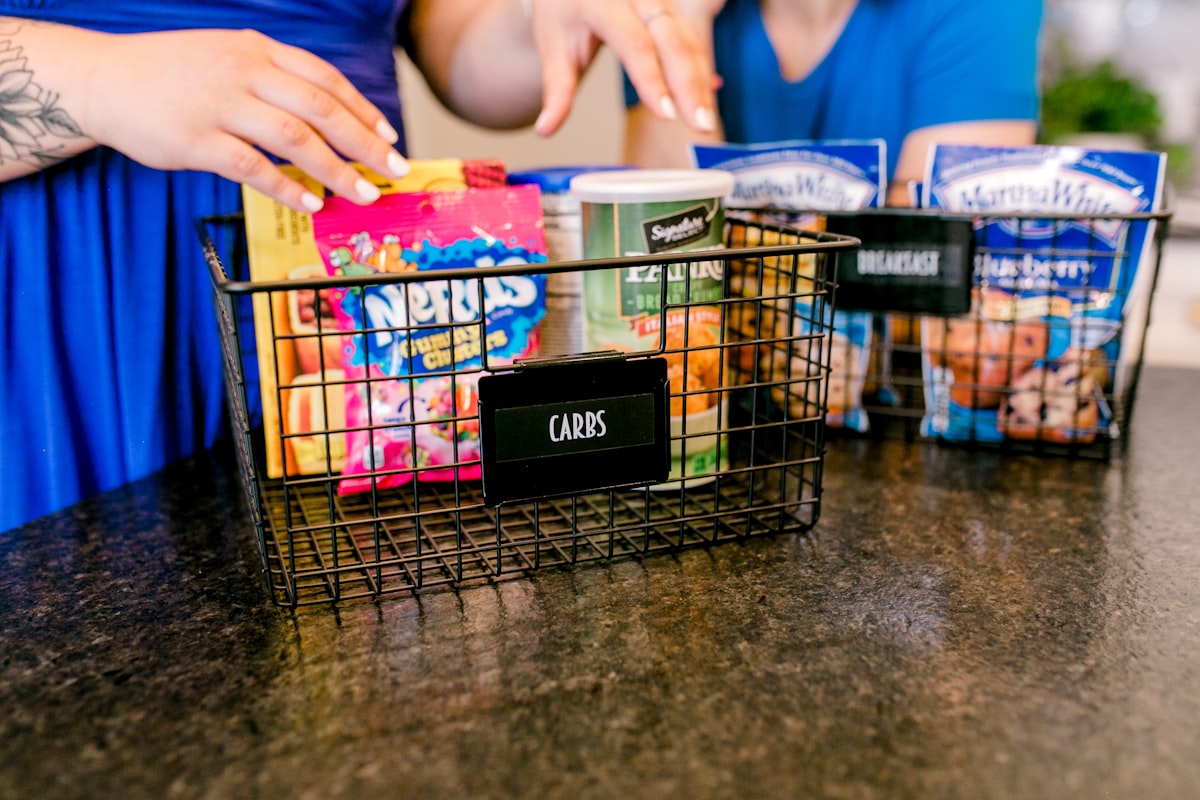
Decoding Ingredient Lists: What Really Matters
Ingredient lists are ordered by weight, but many hidden additives and processing agents can surprise you. This article explains how to spot common preservatives, emulsifiers, and artificial additives that may affect your cooking choices.
Read more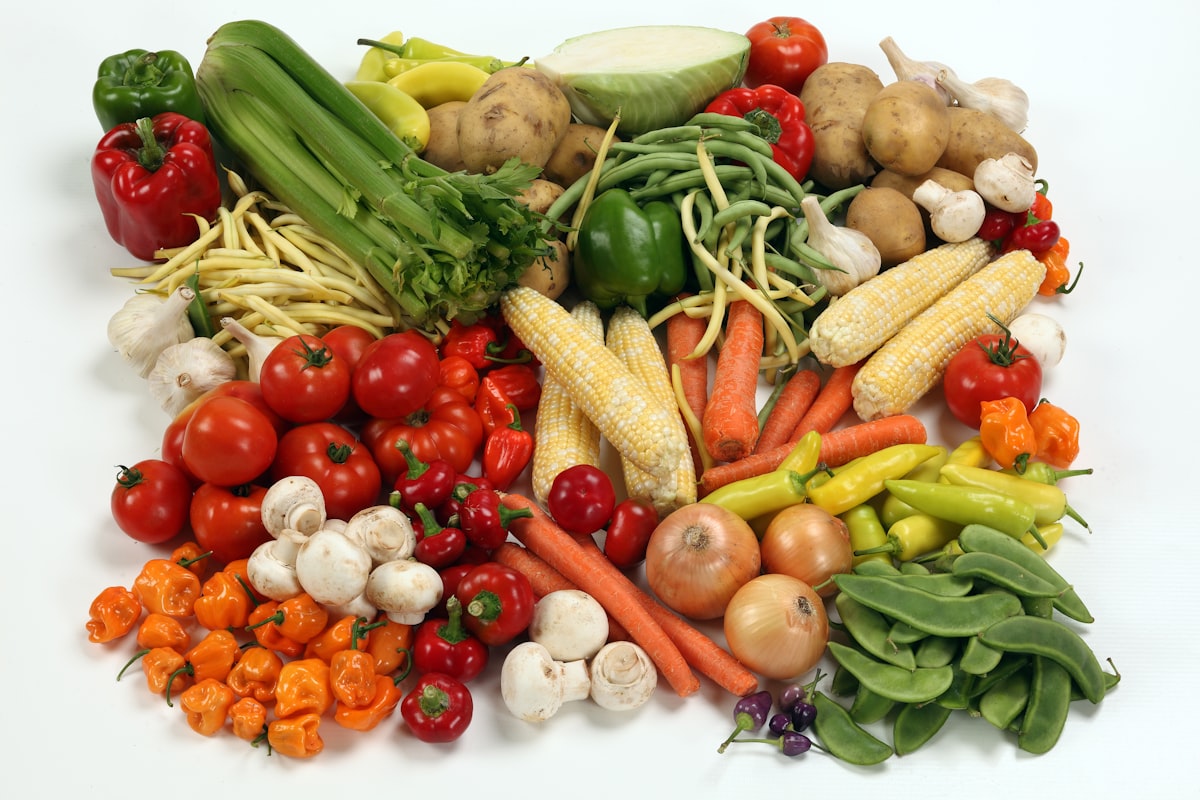
Nutritional Claims Explained: Marketing vs Reality
Terms like "natural," "wholegrains," and "light" are regulated but can still be misleading. Understand the legal definitions behind common packaging claims and learn what questions to ask when evaluating food products for your kitchen.
Read more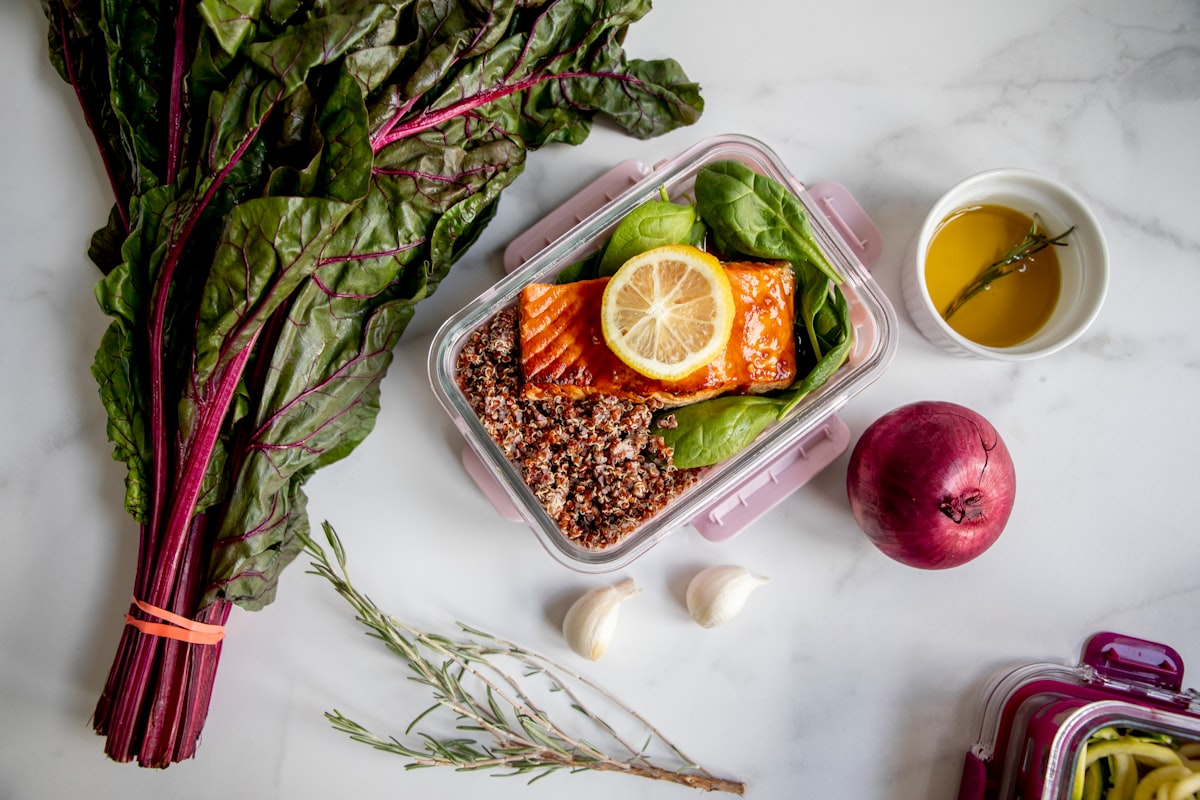
Cooking Oils and Heat Stability: Choose Wisely
Different oils have different smoke points and nutritional profiles. This guide helps you select the right oil for your cooking method—from gentle poaching to high-heat stir-frying—while understanding what labels really tell you about quality.
Read more
Reading Nutrition Facts Panels: Beyond Calories
The nutrition panel shows calories, macronutrients, and micronutrients, but serving size assumptions can be misleading. Learn how to interpret this data accurately and compare similar products to make better cooking choices.
Read more
Organic and Certification Labels Deciphered
Organic certification means something specific, but many other labels (free-range, non-GMO, fair-trade) vary in their standards. This article helps you understand what certifications actually guarantee and whether they matter for your cooking.
Read more
Hidden Sugars: Spotting Them on Labels
Sugar appears under many names on ingredient lists (glucose, maltose, agave nectar, etc.), making it easy to miss. Learn to identify all forms of added sugars and make conscious cooking decisions that align with your preferences.
Read more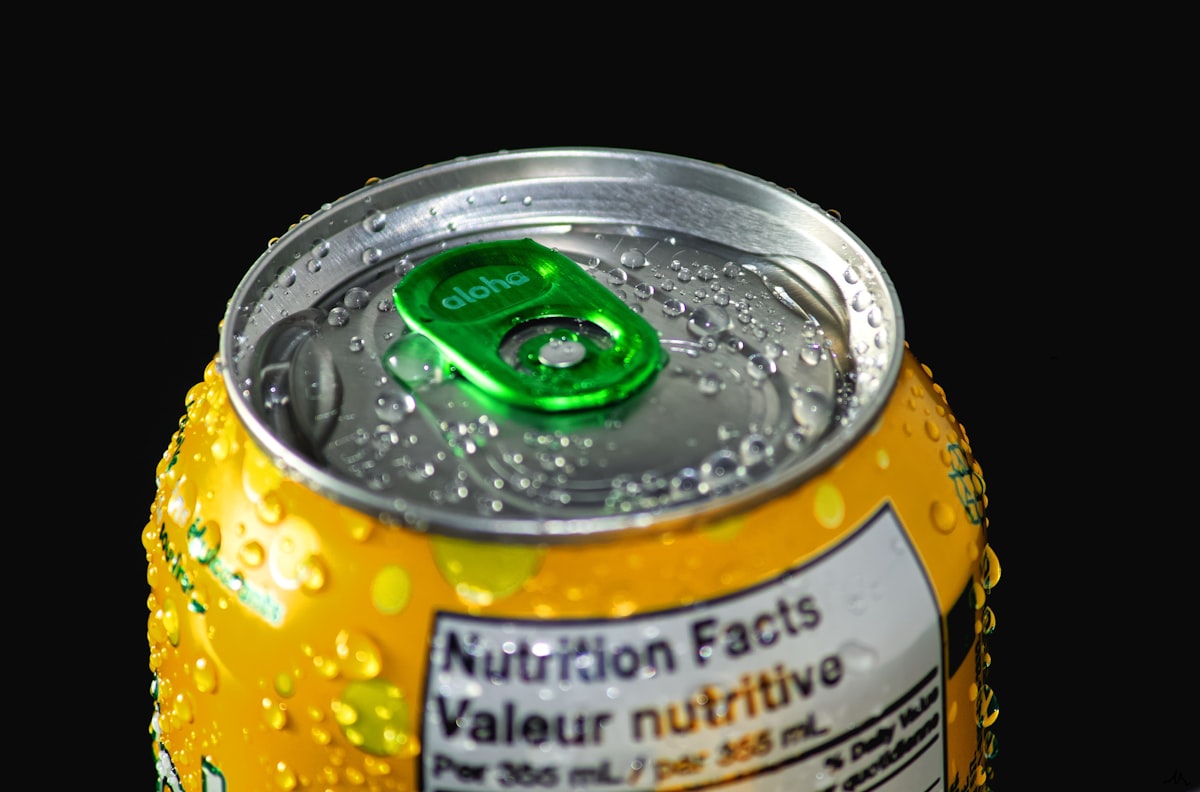
Understanding Best Before and Use By Dates
Dates on food packaging can be confusing, but they're important for safety and quality. This guide explains the difference between various date labels and helps you make smart decisions about food storage and cooking.
Read more
Allergen Labels and Cross-Contamination Warnings
Allergen information is crucial for safe cooking, but warnings about "may contain" vary in strictness. Understand how to read allergen statements and what precautions to take when cooking for households with sensitivities.
Read moreExplore More Cooking Knowledge
Discover our complete collection of recipes, cooking tips, and educational resources to transform how you approach food in the kitchen.
Frequently Asked Questions
What do "best before" and "use by" dates mean?
Best before dates refer to quality and flavour, while use by dates indicate food safety. Food can often be safely consumed after the best before date if stored properly, but use by dates should be respected more strictly. Always check the storage instructions on packaging.
How do I know if a product is truly organic?
Look for official certification marks from recognised standards bodies. In the UK, certified organic products will display a certification logo. These certifications ensure products meet specific environmental and farming standards, though certification doesn't automatically mean nutritionally superior.
Why are there so many different names for sugar on labels?
Manufacturers use various names for different forms of sugar to make labels appear less sugary. Common names include glucose, maltose, agave nectar, honey, and fruit juice concentrate. Learning these names helps you accurately assess total sugar content in products you're considering for cooking.
What's the difference between "natural" and "organic" labels?
"Natural" is largely unregulated and doesn't guarantee much, while "organic" has strict certification requirements. Natural foods may still contain synthetic pesticides or additives. Always check the full ingredient list and certifications rather than relying on front-of-package claims.
How do I interpret the nutrition facts panel correctly?
Start with the serving size—this is key to all other values. Check calories, then look at macronutrients (carbohydrates, protein, fat). Compare products by serving size, not by package. Use the % Daily Value to understand if a nutrient is high or low in the product.
What do claims like "whole grain" and "wholemeal" actually mean?
Whole grain means the entire grain kernel is used, while wholemeal is similar terminology. Check that these are listed as the first ingredient. Products can be misleading—a product may contain only a small amount of whole grain while mostly refined flour, so always verify the ingredient list.
Stay Updated with New Insights
Get notified when we publish new articles about food labels, cooking methods, and nutritional knowledge.
We respect your privacy. You can unsubscribe anytime.