
Understanding Food Labels
Your Complete Guide to Making Healthier Eating Choices
Food labels contain valuable information that can transform how you approach meal planning and cooking. Learn to decode nutrition facts, spot misleading marketing claims, and make informed decisions about what goes into your body.
The information on this site is for educational purposes only and does not constitute medical advice. Always consult a qualified healthcare professional before making health decisions.
Why Label Reading Matters
People struggle to understand nutrition information when making food choices at the supermarket.
Of consumers wish food labels were clearer and easier to interpret quickly.
Learning label basics helps you make faster, more confident purchasing decisions during grocery shopping.
Label awareness directly supports informed meal planning and cooking choices for your family.
5 Essential Label Reading Skills
Reading Ingredient Lists
Ingredients are listed by weight in descending order. Learning to spot additives, preservatives, and hidden sugars is the foundation of informed shopping. The first three ingredients tell you what a product is really made of.
Understanding Serving Sizes
All nutrition information is based on a standard serving size. Many products contain multiple servings per package. Always multiply the nutrients by the number of servings you actually consume to get accurate figures.
Decoding Sugar and Sodium
Check both the grams of sugar listed and the ingredient list for alternative names like high-fructose corn syrup, honey, or agave. Sodium limits matter for heart health. Learning daily reference values helps you stay within healthy targets.
Daily Value Percentages
The % Daily Value column shows how much one serving contributes to your daily recommended intake. 5% or less is considered low, while 20% or more is high. This helps you balance nutrients across all your meals.
Identifying Healthy Fats
Not all fats are equal. Look for unsaturated fats from sources like olive oil, nuts, and fish. Limit trans fats and saturated fats. Reading labels helps you choose heart-smart options and understand their role in your overall diet.
Spotting Marketing Claims
Terms like "natural," "lightly sweetened," or "made with real fruit" are not regulated. Always check the nutrition facts and ingredients behind the label claims. Marketing front-of-package labels can be misleading.
How to Use Labels in Your Cooking

Smart Shopping Strategy
Use labels to compare similar products side by side. Calculate the cost per serving to understand true value. Check expiration dates and storage instructions to ensure ingredients stay fresh once you begin cooking. This approach transforms shopping from guesswork into strategic meal planning.
The Label-to-Kitchen Connection
- Portion Planning: Labels help you measure ingredients accurately, making recipes more consistent and portions more controlled.
- Flavour Pairing: Understanding sodium and sugar content helps you season dishes properly without over-relying on processed condiments.
- Recipe Modification: Knowing ingredient quality allows you to substitute with healthier alternatives and adapt recipes to your preferences.
- Meal Planning: Labels enable you to track nutrients across entire meals and plan balanced, varied dishes throughout the week.
- Storage & Freshness: Label information about best-before dates and storage conditions ensures your ingredients maintain quality during cooking preparation.
Step-by-Step: Your First Label Reading
Start with Serving Size
Locate the serving size section at the top of the nutrition facts panel. Check how many servings are in the package. If you plan to eat the entire package, multiply all the numbers below by the serving count. This is where many people make mistakes—always account for realistic portions.
Scan the Ingredient List
Read from top to bottom, knowing that the first three ingredients dominate the product. Look for whole foods you recognise and avoid long lists of unfamiliar chemical names. Pay special attention to added sugars—they hide under many names like syrup, honey, agave, and malted barley. Shorter ingredient lists usually indicate less processing.
Check Key Nutrients
Focus on calories, sugar, sodium, and fibre. For most people, limiting added sugars to no more than 25-36g daily is beneficial. Sodium intake should stay under 2,300mg daily. Aim for at least 25-30g of fibre from all foods combined. Compare similar products to find options that support your cooking goals and nutritional preferences.
Compare and Decide
Place two similar products side by side and compare their labels. Some versions of common foods contain significantly less sugar or sodium than others. Use this comparison as part of your decision-making process. Over time, you'll develop intuition about which brands and products align with your approach to healthy cooking.
Real Examples: What to Look For
Better Choice: Whole Grain Bread
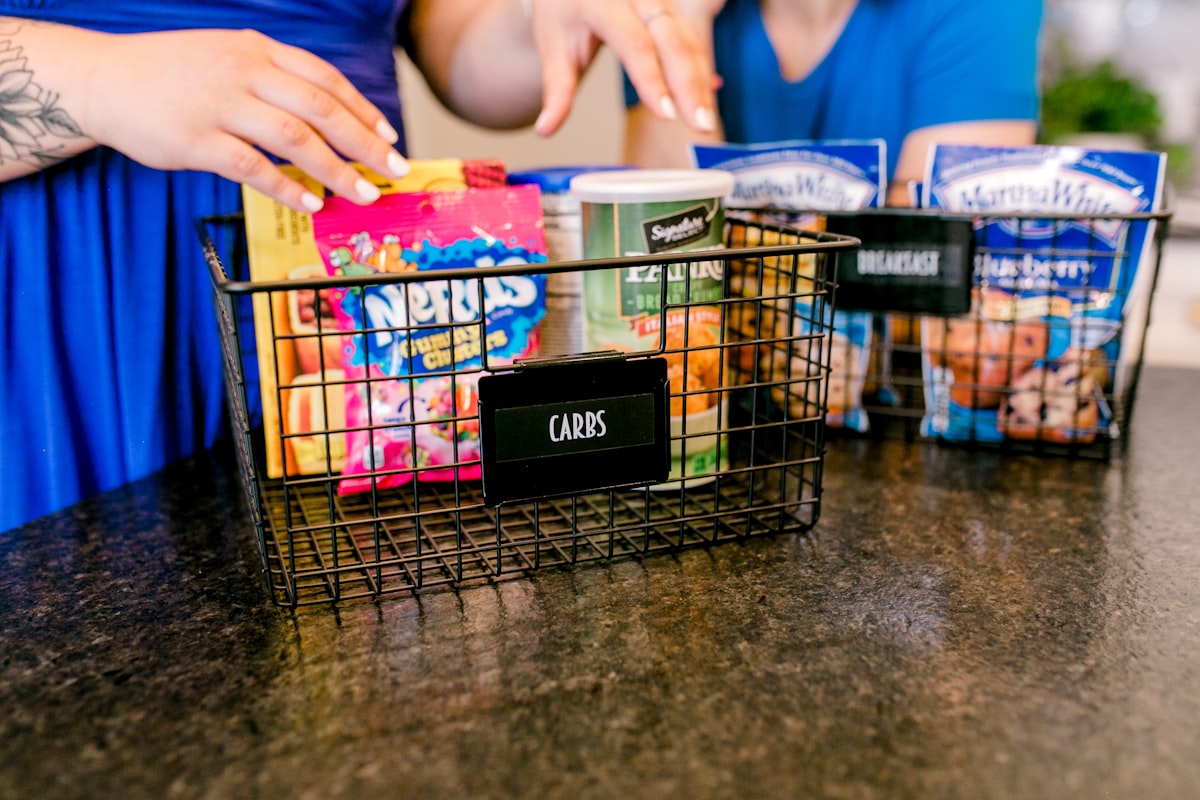
- First ingredient: Whole wheat flour (not enriched white flour)
- Fibre: 3-4g per slice (good indicator of whole grain content)
- Sugar: Less than 2g per serving
- Sodium: Around 100-200mg per slice
- No added: High-fructose corn syrup or artificial dyes
Misleading Label: "Multi-Grain" Bread
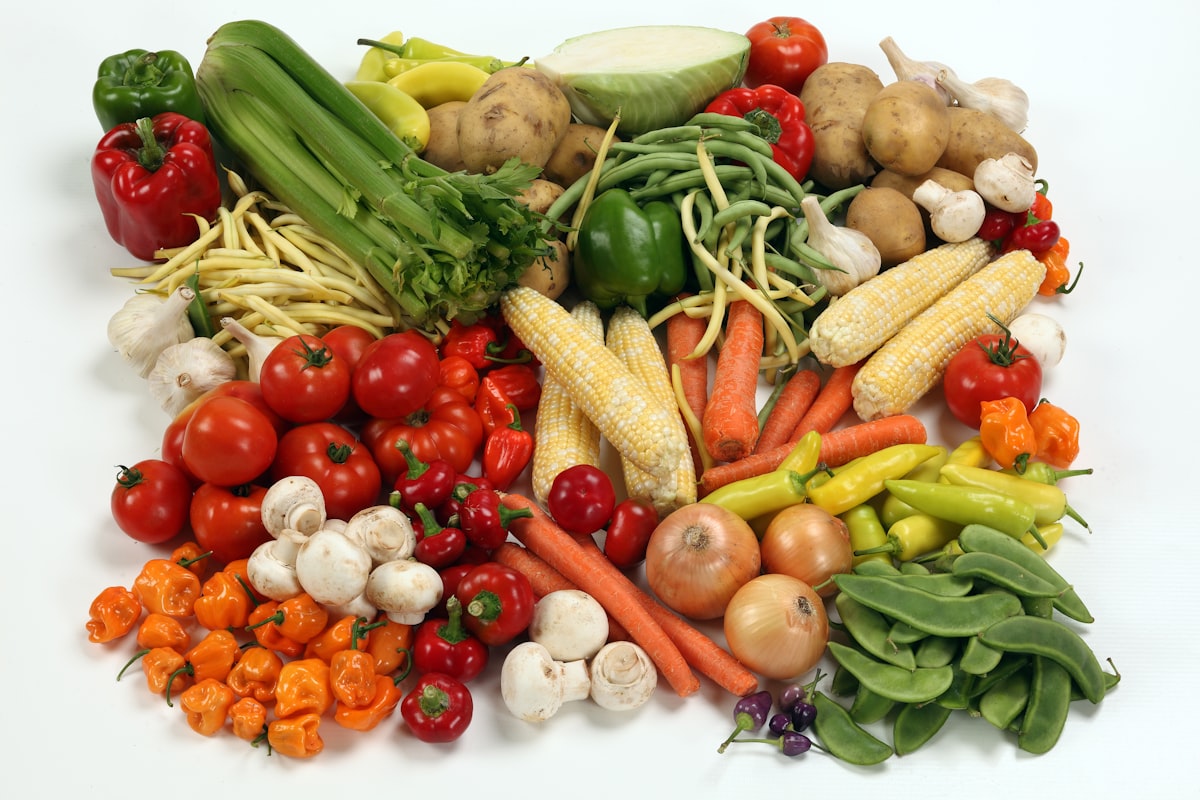
- First ingredient: Enriched white flour (the main ingredient)
- Fibre: Less than 2g per slice despite claims
- Sugar: Often 3-4g per serving due to added sweeteners
- Marketing: Seeds on top suggest healthfulness, but don't indicate whole grain content
- Additives: May contain dough conditioners and preservatives
Better Choice: Plain Yoghurt
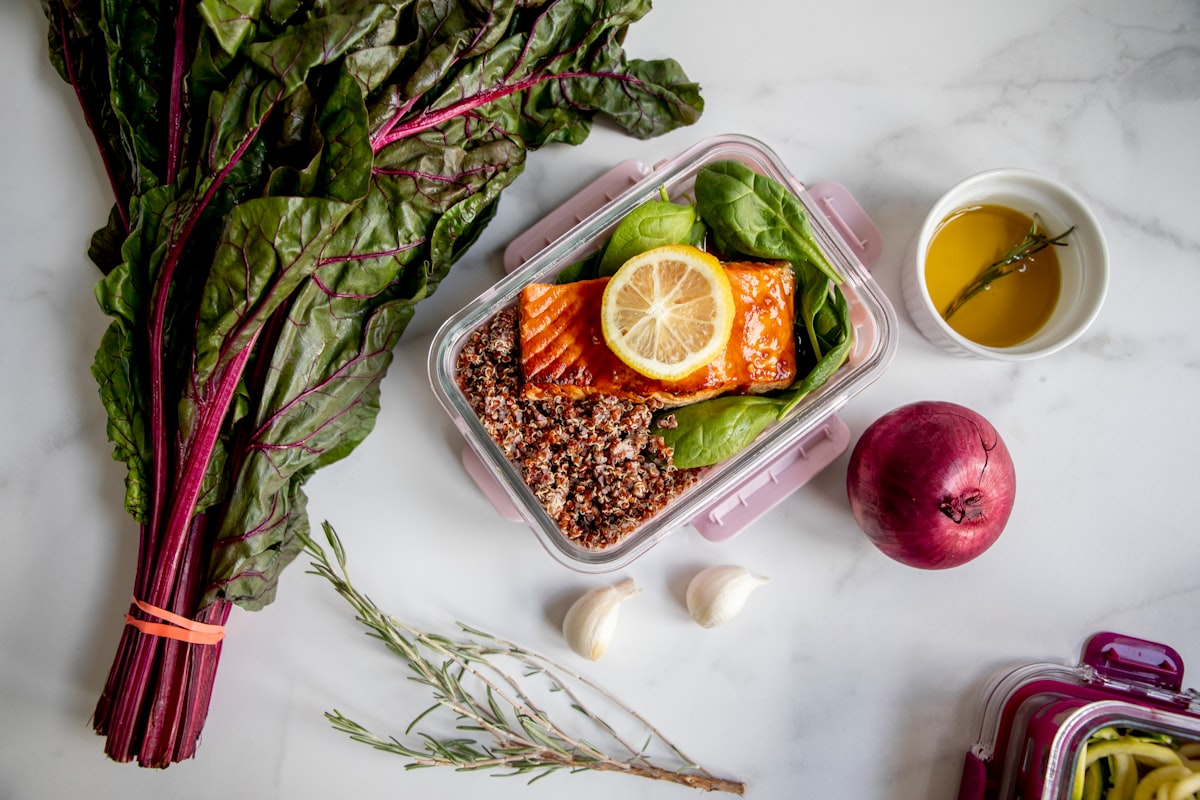
- Ingredients: Only milk and live cultures (nothing else)
- Sugar: 4-6g per serving (from lactose only, no added sugars)
- Protein: 10-15g per serving depending on type
- Fat content: Choose based on preference (full-fat, low-fat, or Greek options)
- No added: Gelatin, stabilisers, or artificial flavourings needed
Misleading Label: Flavoured Yoghurt
- Ingredients: Contains multiple additives and thickeners
- Sugar: Often 15-25g per serving (equivalent to dessert)
- Fruit content: Picture of berries doesn't guarantee real fruit
- Added ingredients: Gelatin, pectin, and stabilisers for texture
- Marketing trick: "Natural flavour" doesn't mean the ingredient is natural
Common Label Questions
What does "organic" actually mean?
Organic certification means the product was grown without synthetic pesticides or fertilisers and without artificial additives. However, organic products can still contain added sugar, salt, or other unhealthy ingredients. Always read the full label—organic doesn't automatically equal nutritious.
Are there hidden sugars I should know about?
Yes. Sugar hides under names like agave nectar, barley malt, cane juice, evaporated cane juice, honey, maple syrup, and brown rice syrup. All are forms of added sugar despite their "natural" names. Check the ingredient list carefully, as these can appear multiple times in one product.
What is the difference between sugars and added sugars?
Total sugars include naturally occurring sugars (like those in fruit) plus added sugars. The newer labels show "Added Sugars" separately, which is the amount manufacturers added during processing. Focus on keeping added sugars low while eating naturally occurring sugars from whole foods is beneficial.
Is low-fat always better?
Not necessarily. When fat is removed, manufacturers often add sugar or salt for flavour. Full-fat versions of some products may be more nutritious. Compare the full nutrition panel, not just the fat content. Many healthy fats from nuts, seeds, and fish are actually beneficial for your body.
What should I avoid on ingredient lists?
Be cautious of: partially hydrogenated oils (trans fats), high-fructose corn syrup, artificial colours (like Yellow 5, Red 40), sodium nitrite/nitrate (in processed meats), and BHA/BHT (preservatives). These are often linked to processing rather than fresh ingredient quality in your cooking approach.
How do I choose between brands?
Compare nutrition facts and ingredient lists side by side. Look for products with shorter ingredient lists and recognisable items. Check price per serving to understand true value. Trial different brands in your cooking to see which fits your taste preferences and nutritional priorities best.
Stories from Informed Eaters
"
Once I started reading labels properly, I realised how much hidden sugar was in my "healthy" breakfast cereals. Switching to options with less than 5g of sugar per serving transformed my mornings. Now my whole family checks labels before we buy anything.
Sarah Mitchell
Manchester, United Kingdom
"
I thought I was buying whole wheat bread, but the label showed enriched white flour was actually the main ingredient. Learning to compare labels helped me find genuinely nutritious options. It takes a few extra minutes at the shop but saves so much confusion while cooking.
James Patterson
Leeds, United Kingdom
"
Understanding serving sizes changed my perspective entirely. I was eating what I thought was 300 calories but was actually 600 calories because the package had two servings. Label reading made meal planning so much more accurate for my family's needs.
Emma Rodriguez
Birmingham, United Kingdom
Deepen Your Food Label Knowledge
Start your journey towards confident, informed eating choices. Explore our comprehensive articles and resources to master the art of reading food labels and applying that knowledge in your kitchen.
Stay Updated on Healthy Eating
Join our community of informed eaters who take ers who take charge of their health through clean eating and mindful nutrition.
We respect your privacy. Unsubscribe anytime.
Why Choose Clean Body Cuisine Class?
100% Organic Ingredients
We source only the finest organic, locally-grown ingredients to ensure maximum nutrition and purity in every meal.
Expert Instruction
Learn from certified nutritionists and professional chefs who are passionate about transforming your approach to food.
Wellness-Focused
Every recipe and lesson is designed to support your long-term health, energy, and wellbeing journey.
Student Testimonials
"Clean Body Cuisine Class completely transformed how I cook and eat. I've never felt better, and my family loves the nutritious meals we prepare together!"
- Sarah M.
"The instructors are knowledgeable, supportive, and truly invested in your success. Worth every penny and then some!"
- James T.
"I've learned more about nutrition and clean eating in these classes than I did in years of research online. Highly recommended!"
- Emma L.
Frequently Asked Questions
Do I need prior cooking experience?
No experience necessary! Our classes are designed for all skill levels, from complete beginners to advanced home cooks.
Are there dietary restrictions accommodated?
Absolutely. We offer vegan, gluten-free, dairy-free, and other specialized options. Please inform us of your needs when registering.
What is included in the class fee?
Class fees include all ingredients, recipes, materials, and access to our online resource library with bonus videos and meal plans.
Do you offer online or in-person classes?
We offer both! Choose from interactive in-person sessions at our studio or live-streamed online classes from the comfort of your home.
Ready to Transform Your Eating Habits?
Join Clean Body Cuisine Class today and discover the joy of nourishing your body with clean, delicious, wholesome food.