
Editorial Platform — Informational content only. No services, no sales, no deliveries. Read full notice
+44 439 155 284LeedsWeekdays 9:00 - 18:00
Expert Guidance

Food Labels & Healthy Cooking Insights

Expert articles on understanding food labels, making informed choices, and mastering cooking techniques for better nutrition

Medical Disclaimer

The information on this site is for educational purposes only and does not constitute medical advice. Always consult a qualified healthcare professional before making health decisions.

Understanding Nutrition Labels
Food Labels 15 Jan 2025

Understanding Food Nutrition Labels: A Complete Guide

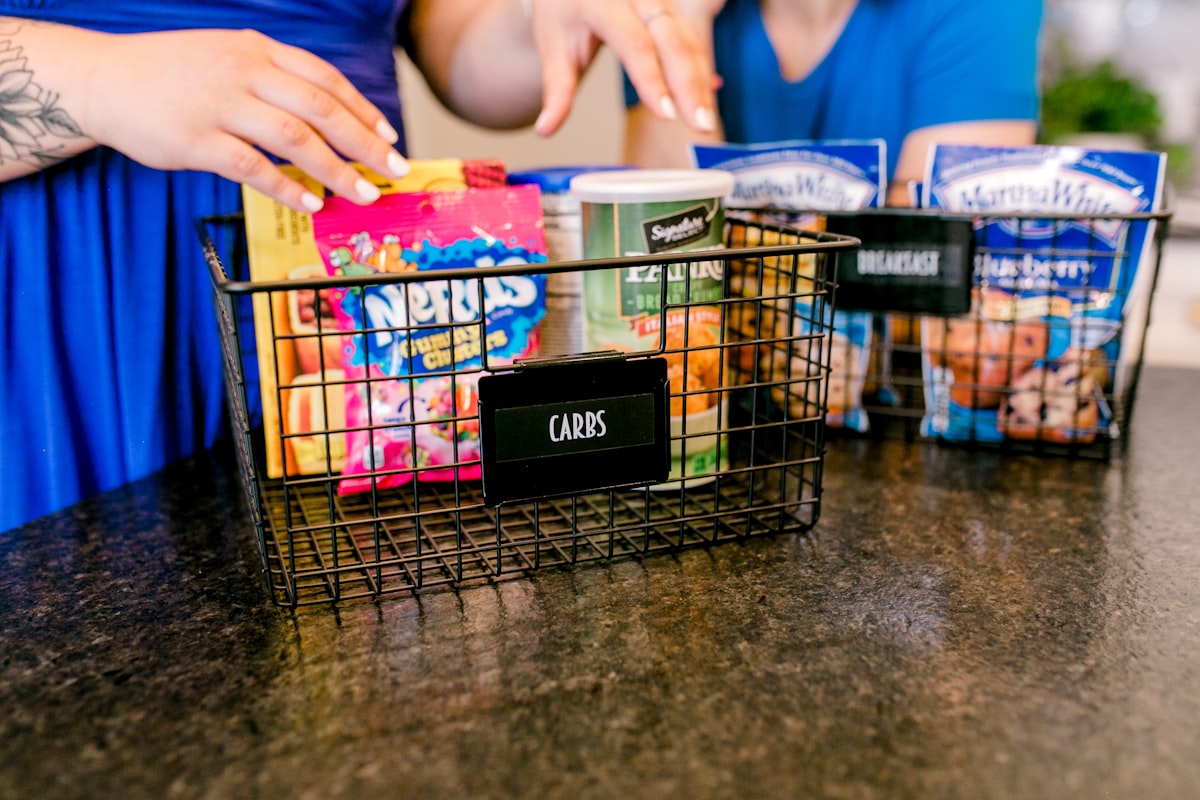
Learn how to read and interpret UK food labels effectively. This guide explains the meaning behind daily reference values, ingredient lists, and allergen warnings so you can make better informed choices at the supermarket.

Read more →
Healthy Cooking Methods
Cooking Tips 12 Jan 2025

Five Healthy Cooking Methods That Preserve Nutrients

Discover cooking techniques that maximise nutrient retention in your meals. From steaming and poaching to gentle sautéing, learn which methods keep your food both delicious and nutritionally valuable while reducing the need for excess oils.

Read more →
Hidden Sugars in Foods
Nutrition 10 Jan 2025

Spotting Hidden Sugars: Where They Hide in Your Food

Sugar appears under many names on food labels. This article reveals the common disguises including syrups, concentrates, and artificial sweeteners, helping you understand exactly how much sugar you're consuming and where it comes from in everyday products.

Read more →
Traffic Light Food Labels
Food Labels 08 Jan 2025

Traffic Light Labels: Making Quick Healthy Choices

Understand the colour-coded traffic light system on UK food packaging. Red, amber, and green labels offer instant guidance on fat, saturated fat, sugar, and salt content, making it easier to spot healthier options during your shopping trip.

Read more →
Balanced Meal Planning
Recipes 05 Jan 2025

Building Balanced Meals: The Simple Framework

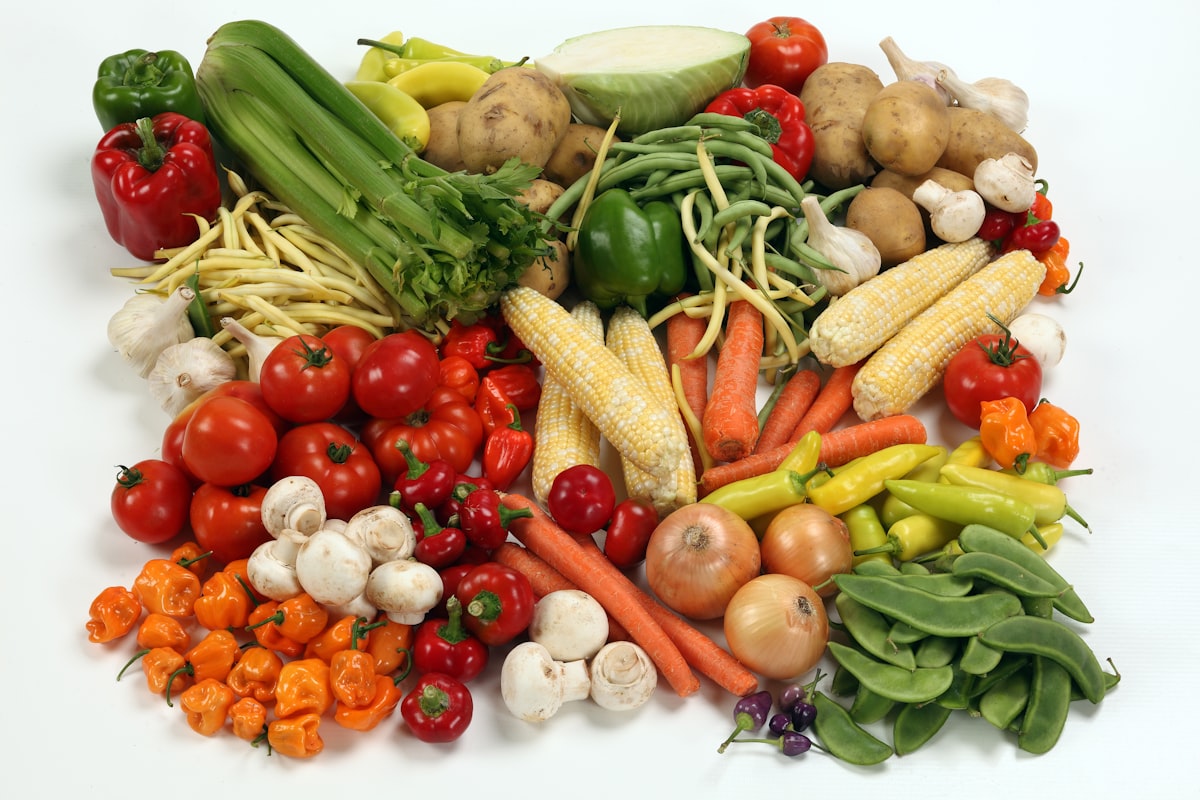
Learn the foundational approach to meal composition that supports sustained energy and satisfaction. This framework covers proteins, whole grains, vegetables, and healthy fats in practical portions that you can apply to any meal throughout your week.

Read more →
Meal Prep Strategies
Cooking Tips 02 Jan 2025

Practical Meal Preparation: Save Time Without Losing Quality

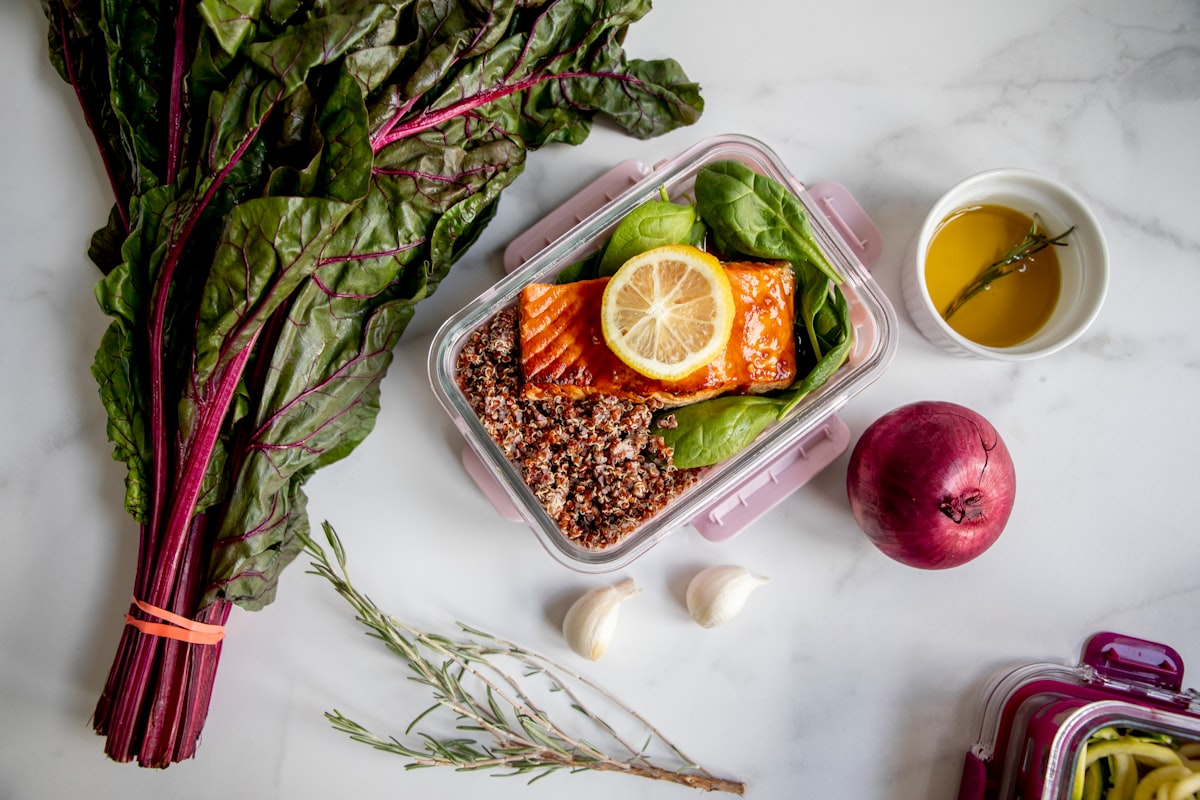
Master efficient meal prep techniques that preserve freshness and taste throughout the week. Discover which foods hold up best when prepared in advance, smart storage methods, and time-saving strategies that make healthy eating convenient for busy schedules.

Read more →

Featured Resources

Label Reading Guide

A comprehensive reference document covering all aspects of UK food labelling regulations, ingredient identification, and allergen information to help you navigate supermarket shelves with confidence.

Explore guide →

Cooking Techniques

Detailed articles on various cooking methods, temperature guidelines, timing recommendations, and equipment choices that help you prepare nutritious meals while retaining maximum flavour and nutritional value.

Browse techniques →

Common Questions About Food Labels

Q What is the difference between front-of-pack and back-of-pack labels?

Front-of-pack labels provide quick visual summaries like traffic light colour coding to help you make immediate choices. Back-of-pack labels contain detailed nutritional information including specific nutrient quantities, ingredients lists, and allergen warnings. Both work together to give you complete information about a product.

Q How should I interpret the percentage daily values on labels?

Daily values (% DV) show how much of your daily recommended intake a single serving provides. Generally, 5% DV or less is considered low, and 20% DV or more is considered high for that nutrient. This helps you understand whether a product contributes significantly to your daily needs for specific nutrients.

Q What does "natural flavours" actually mean on ingredient lists?

"Natural flavours" refer to flavouring substances derived from natural sources like fruits, vegetables, or spices, rather than chemically synthesised. However, the term is regulated but not heavily restricted, so it can still represent various processing methods and additives. Checking the full ingredient list provides more specific details.

Q How do I identify ultra-processed foods by looking at labels?

Ultra-processed foods typically have lengthy ingredient lists with names you don't recognise, numerous additives, preservatives, and colourings. Check for recognisable whole-food ingredients and fewer than ten items listed. Products with simple, pronounceable ingredients you've used in your own kitchen are usually less processed.

Stay Informed About Food Labels & Cooking

Our editorial team regularly publishes new insights on understanding food labels, healthy cooking methods, and making better nutritional choices. Explore our full archive or contact us with questions.

This site provides educational content only. We do NOT offer medical consultations, sale of products, deliveries, or refund policies. For medical advice, consult a licensed professional.