
Frequently Asked Questions
Everything you need to know about food labels and making informed healthy cooking choices
The traffic light system uses colour-coded labels to show whether a food contains high, medium, or low amounts of key nutrients. Red indicates high levels of saturated fat, sugars, or salt – nutrients to consume sparingly. Amber (yellow) means medium levels, and green signals low amounts. This visual system helps you quickly identify healthier choices when shopping. Many UK supermarkets and food manufacturers use this labelling system to make nutritional information more accessible and easier to understand at a glance.
The nutrition information panel typically shows values "per 100g" and "per serving". Start by checking the serving size to understand what portion the label refers to. Look at energy content (measured in kilocalories or kJ), then examine macronutrients: carbohydrates, fat, protein, and fibre. Pay attention to the "of which" breakdowns – particularly sugar within carbohydrates and saturated fat within total fat. Compare products by using the same measurement (per 100g is best for fair comparison) and use the reference intake percentages shown to understand how much of your daily allowance each nutrient represents.
Ingredients are listed by weight in descending order, so the first items make up the largest portion of the product. Look for recognisable whole foods rather than long lists of additives and chemical names. Watch for hidden sugars – they appear under many names including honey, agave nectar, corn syrup, and concentrated fruit juice. Check for artificial colours, flavourings, and preservatives if you prefer to avoid them. A shorter ingredient list generally indicates a less processed product. Pay special attention to allergen information, which is usually highlighted in bold text, and note any added oils, particularly palm oil if you wish to avoid it.
Public health organisations recommend limiting free sugars (added sugars and sugars in honey, syrups, and juices) to no more than 30 grams per day for adults. When checking labels, look for the "of which sugars" line under carbohydrates. Foods with a green traffic light for sugar contain 5g or less per 100g (or 2.5g per serving). Amber indicates 5–15g per 100g, and red means above 15g per 100g. Choose products with lower sugar content, even if they're not marked red on the traffic light system. Be particularly cautious with breakfast cereals, flavoured yoghurts, and drinks, which often contain surprisingly high amounts of added sugar.
Saturated fats, found mainly in animal products and tropical oils, tend to raise cholesterol levels and should be limited to no more than 20g daily for women and 30g for men. Unsaturated fats, from sources like olive oil, nuts, seeds, and fatty fish, are considered healthier choices. The nutrition label shows total fat, with saturated fat as a breakdown. A green label for saturated fat means 1.5g or less per 100g; amber is 1.5–5g per 100g; red is above 5g per 100g. When cooking, prefer oils rich in unsaturated fats such as olive oil, rapeseed oil, or sunflower oil. Focus on reducing saturated fat intake rather than eliminating all fat, as some fat is essential for nutrient absorption and overall health.
Reference intake (RI) percentages show how much of your daily recommended intake a single serving or 100g of the product provides. These are based on a standard 2000 calorie diet for an average adult. For example, if a product shows 15% RI for saturated fat, one serving provides 15% of the maximum daily amount you should ideally consume. Use these percentages to understand the nutritional impact of a product within the context of your entire daily diet. Keep in mind that individual needs vary based on age, sex, activity level, and overall health goals. Comparing RI percentages across similar products helps you make informed choices – for instance, choosing a breakfast cereal with 20% RI for sugar over one with 50% RI.
Ultra-processed foods typically have long ingredient lists filled with substances not commonly found in cooking – emulsifiers, colourings, flavour enhancers, and preservatives. Check if you could theoretically make the product at home with basic ingredients; if you couldn't, it's likely ultra-processed. Look for multiple red traffic light indicators, especially for sugar and salt. Marketing claims like "natural", "wholesome", or "goodness" don't necessarily indicate a less processed product – always check the actual label. Foods in convenient single-serving packages, drinks with added vitamins or minerals, instant noodles, mass-produced baked goods, and most ready-meals fall into the ultra-processed category. To reduce ultra-processed food consumption, prioritise whole foods you recognise and choose products with short, simple ingredient lists.
A product is considered "high in fibre" if it contains at least 6g of fibre per 100g, or 3g per serving. A "source of fibre" label indicates 3g per 100g or 1.5g per serving. Fibre is crucial for digestive health, helping maintain regular bowel movements and feeding beneficial gut bacteria. It also helps you feel fuller for longer, supports stable blood sugar levels, and contributes to heart health. Good fibre sources include whole grains, legumes, vegetables, fruits, nuts, and seeds. When shopping, look for whole grain bread, brown rice, oats, and beans – these naturally contain high fibre and often have a green traffic light for the carbohydrate content. Gradually increase fibre intake and drink plenty of water, as a sudden increase can cause bloating or digestive discomfort.
Labels show sodium content rather than salt, though they're closely related (salt is about 2.5 times higher in weight than sodium). Most labels display both values for clarity. The recommended maximum daily salt intake for adults is 6 grams, equivalent to about 2.4 grams of sodium. On the traffic light system, green indicates 0.3g salt per 100g or less, amber is 0.3–1.5g per 100g, and red is above 1.5g per 100g. High salt intake is linked to elevated blood pressure, so reducing sodium consumption is beneficial. Check processed foods like bread, cured meats, sauces, and tinned soups – these often contain surprising amounts of salt. Choose products with lower salt content and season your home-cooked meals to taste rather than relying on processed food salt levels.
Expiry dates ensure food safety and quality. "Use by" dates are critical – food shouldn't be consumed after this date due to food safety risks. "Best before" dates indicate peak quality; food remains safe but may lose nutritional value or texture. Storage instructions are equally important – many foods require refrigeration after opening, specific temperature ranges, or protection from light. Proper storage preserves nutritional content and prevents spoilage. Pantry staples like grains, nuts, and oils can go rancid if stored incorrectly, affecting both flavour and nutritional value. Always check the date when purchasing, store items according to instructions, and organise your cupboards using the "first in, first out" method. Keep opened items in airtight containers where appropriate, and note the opening date on products if not provided.
Always compare products on the same basis – either per 100g or per serving size. Per 100g comparison is more reliable because serving sizes vary dramatically between brands and can be misleading. Create a simple comparison chart noting key nutrients: calories, sugars, saturated fat, salt, and fibre. Look at the traffic light system for a quick visual assessment – products with more green labels are generally better nutritional choices. Consider which nutrients matter most for your dietary needs; for example, if you're increasing whole grain intake, compare fibre content. Don't be swayed by marketing claims alone – always verify with the actual nutrition data. Check ingredient lists alongside nutritional panels; two products might have similar calorie counts but very different ingredient quality. Take notes on your preferred products to speed up future shopping decisions.
Different cooking methods affect nutrient retention differently. Steaming and microwaving preserve more vitamins than boiling, which leaches water-soluble nutrients into cooking water. Grilling, roasting, and stir-frying at appropriate temperatures retain more nutritional value than prolonged, high-heat cooking. Minimal water exposure and shorter cooking times generally preserve more nutrients. Eat vegetables raw when possible, as cooking can reduce some vitamin content, particularly vitamin C. Use the cooking water from vegetables in soups or stocks to retain dissolved nutrients. Pairing cooked vegetables with healthy fats – such as olive oil or avocado – enhances absorption of fat-soluble vitamins like A, D, E, and K. Store cut vegetables in water in the fridge to prevent oxidation and nutrient loss. Choose cooking methods based on the ingredient and desired outcome; for example, tomatoes' lycopene becomes more bioavailable when cooked with fat, making roasted tomatoes with olive oil an excellent choice.
The information on this site is for educational purposes only and does not constitute medical advice. Always consult a qualified healthcare professional before making health decisions.
Stay Informed on Healthy Cooking
Subscribe to our editorial content for the latest articles and insights about food labels and nutrition.
Explore More Content
Deepen your knowledge with our comprehensive guides and articles

Understanding Nutrition Labels
A comprehensive guide to decoding nutrition information panels and making sense of reference intakes.
Read Article →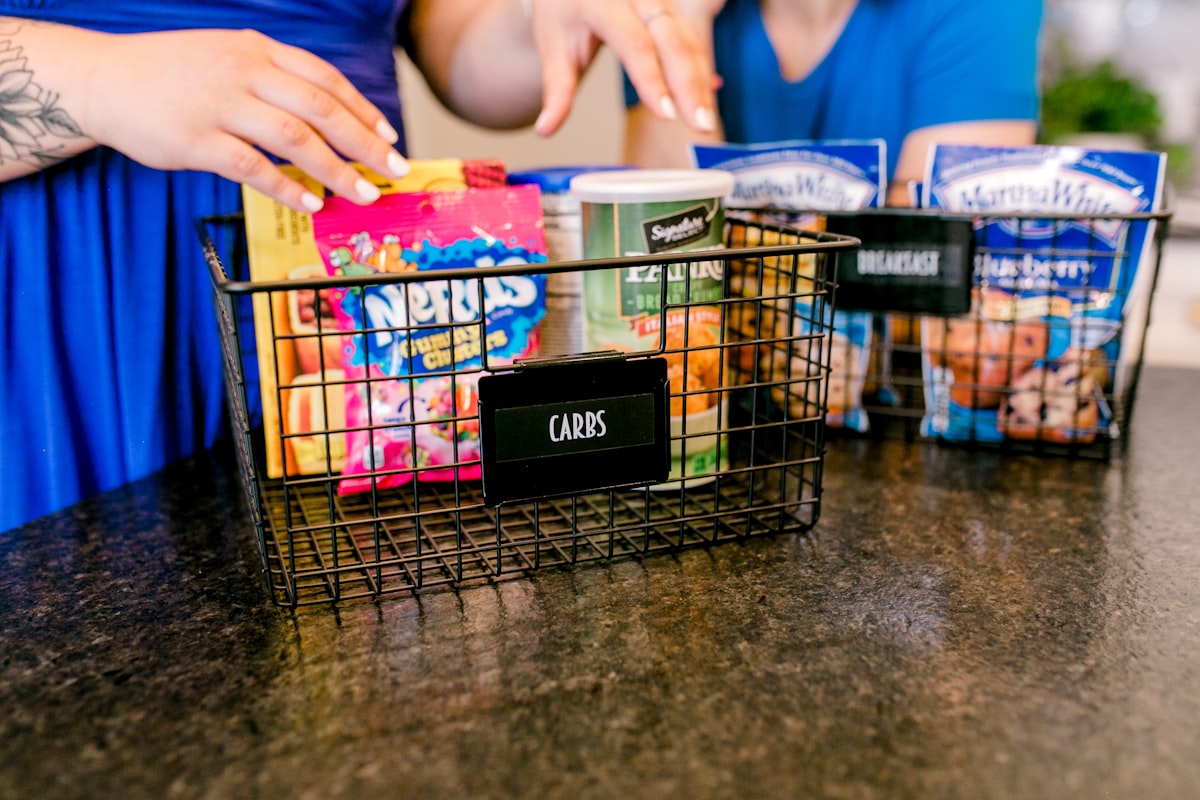
Healthy Cooking Techniques
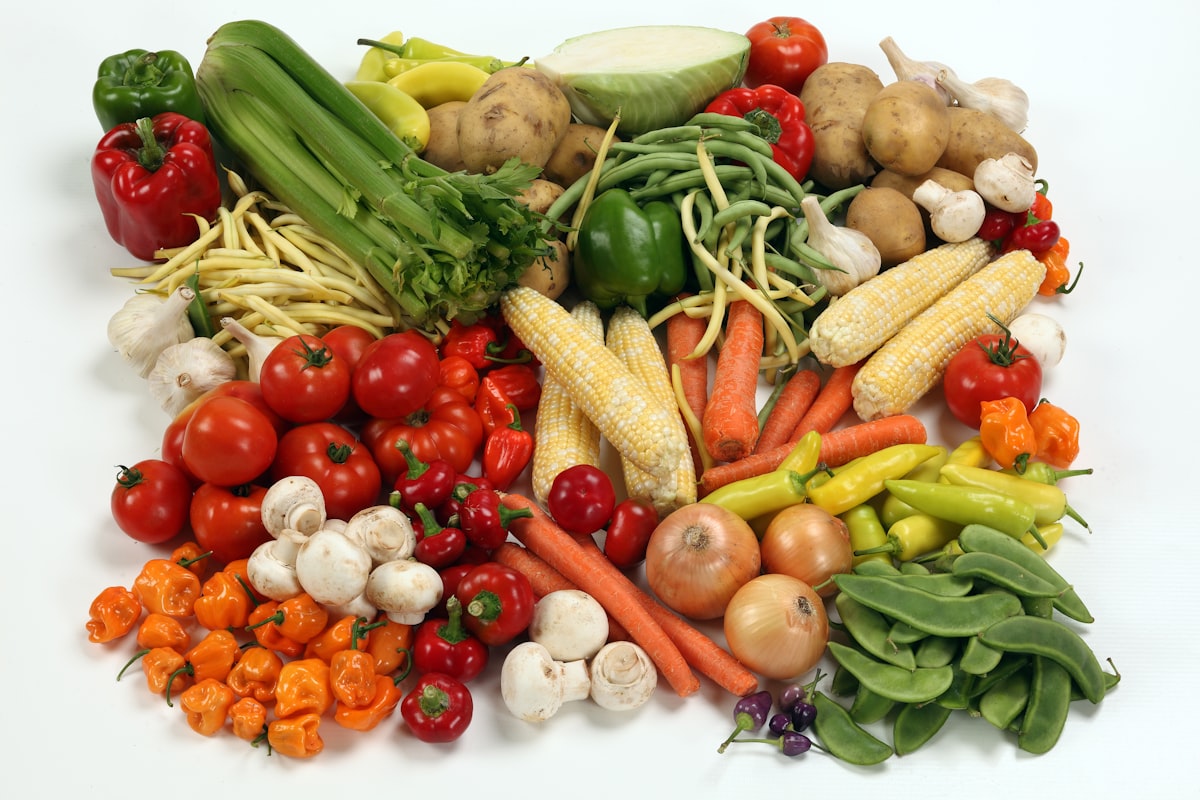
Discover cooking methods that preserve nutrient content and enhance the flavour of your meals.Read Article →
Sugar Reduction Tips
Learn practical strategies to reduce sugar intake while maintaining delicious, satisfying meals.
Read Article →